Be yourself; Everyone else is already taken.
— Oscar Wilde.
This is the first post on my new blog. I’m just getting this new blog going, so stay tuned for more. Subscribe below to get notified when I post new updates.
Be yourself; Everyone else is already taken.
— Oscar Wilde.
This is the first post on my new blog. I’m just getting this new blog going, so stay tuned for more. Subscribe below to get notified when I post new updates.
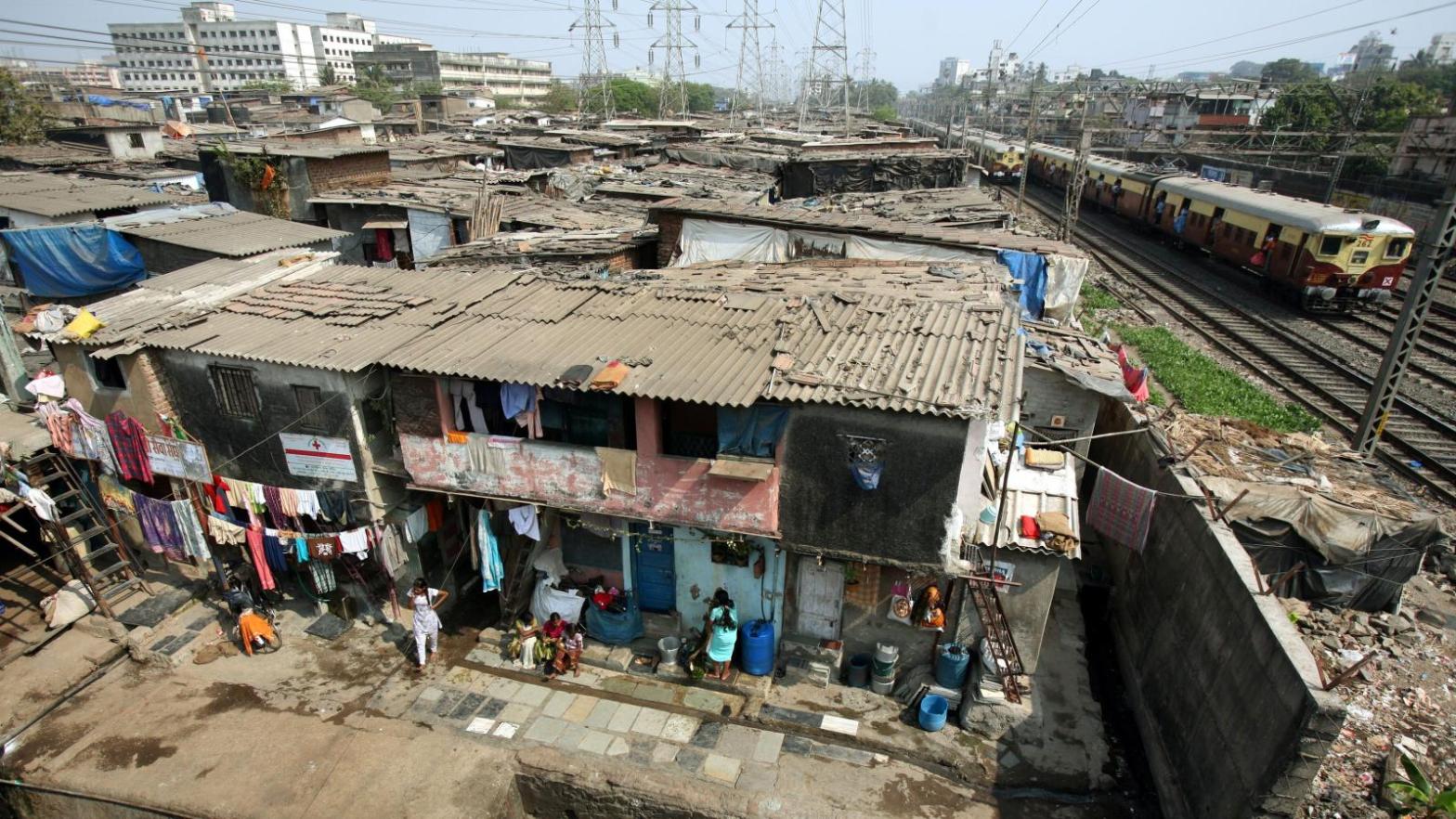
I think some of the biggest issues facing developing cities today involve public safety, infrastructure, and education. These three things kind of go hand in hand with each other. With poor infrastructure in these developing cities, public safety is hard to maintain properly and there will be a lack of opportunity for proper education. Infrastructure is what makes up a city, it is the roads and buildings that are used every day by all people. Keeping infrastructure on the right track can lead to better public safety and education. Developing cities are often portrayed as broken-down towns with littered dirt roads and small, beat up buildings without technological advances like air conditioning and proper lighting. This portrayal leads to a lack of public safety for all types of people, especially people with disabilities. These developing cities lack the education and accessible infrastructure for all people. For everyone to live a good life, the people deserve all the opportunities possible to properly live in a city, whether it’s a developing city or not. Providing people with good infrastructure is the first step. Once people are proud and comfortable with their city, more opportunities will open up. There will be more education and more care for public safety and health. Developing cities face many problems from economic development to housing to health care. I think the biggest issues involve infrastructure. Infrastructure plays a part in every part of a city, especially when it comes to public safety and the educational opportunities people can receive.
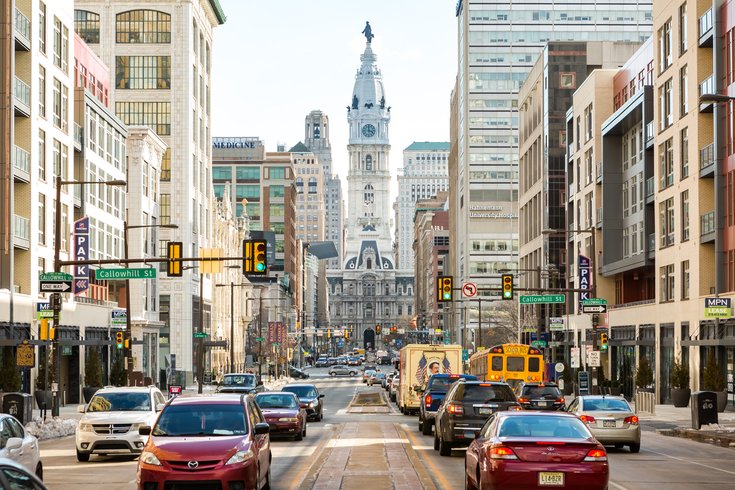
In my experience, U.S. cities are a mix of both, being both fairly clean and relatively dirty. I think the cleanliness of a city is based off of a person’s perception of the city. For me, New York City is relatively dirty, but Philadelphia is fairly clean. Both cities have their faults. They both deal with homelessness, pollution/littering, and unclean streets. It is my perception that Philly is cleaner than NYC because I have spent more time in Philly, since it is closer to home for me (not even 45 minutes away). I think that my perception on Philly is different because of the time I have spent there with friends and family. I have associated certain areas to specific memories. This association blocks out anything I may have deemed uncleanly, whether it was there or not. There is no missing the smells of the cities or the trash lying in the streets, in either Philly or NYC. My first experience in NYC was during the summer. I was sweating, the smells were intensified, and I overall felt gross. This plays a way on how I perceived NYC. NYC is not a city that I feel 100% comfortable in. It is a large city with a lot of people, and even though Philly is a large city, it isn’t as big as NYC. My comfort in Philly comes from the times I was able to walk around and enjoy it with friends and family. I think another part of my comfort comes from the fact that my dad grew up in Philly, and he attended Drexel University. He is able to explain different areas to me, lessening the unknown to me. So in my experience, U.S. cities are both fairly clean and relatively dirty, it is all based on your perception.
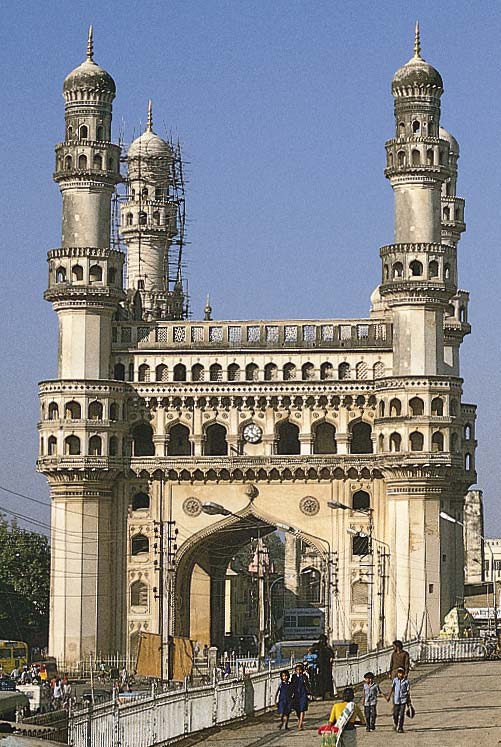
Both articles, “Hyderabad: Continuities and Transformations” and “Sofia: City of Contradictions,” suggest that the past persists into the present, specifically through the people that reside in the cities. People are the ones who experience life and record what happens, making it become history. They share the information with future generations so they can keep things like old languages and traditions alive. Both the people of Hyderabad and Sofia cling onto the past and the languages and traditions that have been set in place throughout history. As conquering empires changed the cities, the people of the cities held on to traditions such as languages, holidays, and traditions. As the city developed a new identity, the past started to be forgotten. These people that are clinging onto the past are becoming the older generations. The younger generations are moving on with the time, adapting and moving to new areas. As the younger generations are moving on, they are forgetting what the history that older generations are clinging on to. The older generation is what is keeping the past alive. Their sense of tradition and pride for the old ways has pulled the past into the present, helping the past persist in the present.
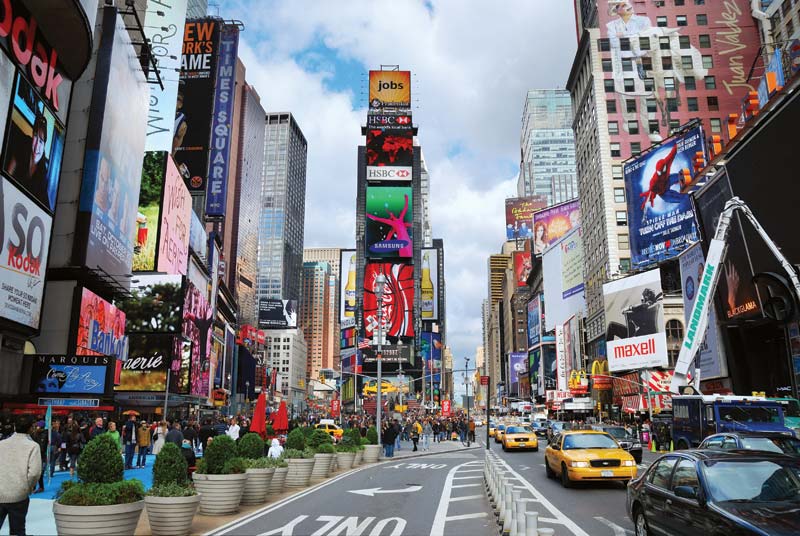
I think the most important lessons to be learned for New York is the implications of urban renewal and historical preservation. Both play a major role in our culture and can contribute to society in a positive or negative manner. Urban renewal is a part of our future. To grow as a society, we must change the city with us. Sometimes that means taking out what is deemed “bad,” for example a slum. I think it is important to replace these areas, but still provide affordable housing to the people that might get pushed out. No one should be pushed to the streets due to urban renewal; they should just be given a nicer and affordable place to live. I also think that historical preservation is a very important aspect of any city or town. Preserving the past will allow the future to look back on what happened. Having a historical building in a town or city not only adds character but it tells a story. I think it is important to reuse the historic buildings. It keeps a piece of the past working throughout the present and hopefully the future. If the building is slightly remodeled in order to fit the requirements of today, then there is no wasting of materials. In ways this is a better/sustainable option for the environment. Instead of tearing something down and creating waste and producing more materials to build something else, a historic building can be preserved and used by the people of the present.

I would take a job away from my family to help support them. After all my parents have done for me and my brother, I would do whatever I can to help them out in return. If stepping away from my family for a job would help benefit them, I would do it in a heartbeat. My parents taught me that family comes before anything because at the end of the day family is the only thing left. If you can’t ask family for help, who can you ask?
I don’t think I would stay away long, but I would work as long as I need to in order to them. If I had to stay away for a while to keep the job and to continue to support them, I would try to make trips home. Even if I had to go overseas, I would at least try to make it home for the holidays and/or special family events. Eventually, I would want to come home for good. If I never come home for good, I would just try to be closer to my family. An hour drive is nothing. I barely see them now since home is two hours away from campus. I know that I can get there and back in a day if need be. In that aspect, being away from home for a job is not impossible for me, it would be like being at school. I really only see my family on holidays and breaks.
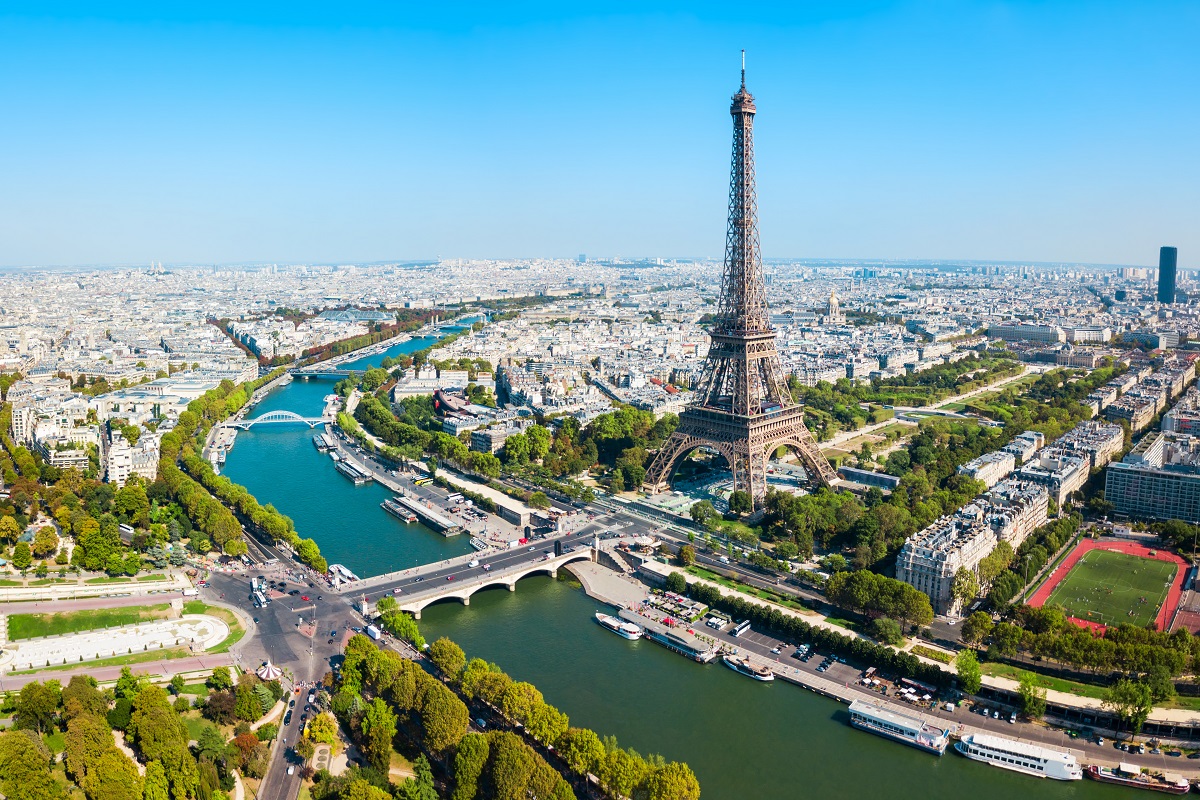
I think I would like to live in an international city like Paris or New York City. I don’t think I would live there long, maybe only a year or two. I would want the experience of living in an international city, something I could compare to how I grew up. The end results would eventually help me find a place I would like to settle down for good, if I wanted to stay in one place. My grandfather on my father’s side is incapable of staying in one spot for a while, moving from country to country and experiencing each area that he is offered. My other grandfather, my mother’s father, has never left New Jersey. He grew up here and will probably die here. My family has moved slightly. My mother moved from NJ to Pennsylvania and my father moved from Philly to a small town an 45 minutes away (where I grew up). I think that being able to experience different areas is way a beneficial way to determine where I want to be.
An international city like Paris or NYC will allow one to experience many different things from language to food to clothing and more. Cultures are different around the world and international cities blend the cultures ever so slightly so that you can experience different things. I would want the experience of living in a city. I would like to experience the different cultures that are put into the international city. I would like to have something different to compare my current (at home) living style to. If I enjoy the city, I would stay (based off income). If I do not, I would leave and find a place I would be more comfortable.

Industrial capitalism dehumanizes poor people and makes them out to be the bad guy. In myths, they are given moral flaws and deviant cultures and attitudes to make them less and less appealing. These other people, poorer people, are seen as different from normal citizens. They are seen as a threat to normal, civilized society since they are seen as criminals, violent, and with moral lapses of judgment. Industrial capitalism has created this culture were the impoverished are removed from society, showing them as damaged people more likely to commit crimes. Poverty was explained as a pathological behavior of the individual and the culture of the poor. It is said that their life of crime stems from the poverty pathologies of broken families, isolation, lack of a male presence, flawed characteristics, and weak egos. Judith Goode determines that the explanation of poverty comes from the assumed descriptions of poor people’s behaviors.
Philippe Bourgois sets up the Spanish Harlem, El Barrio, in East Harlem, New York. He explains that the impoverished are at the heart of the city. Based off his location, he could step five feet out of his door and be within possession of various types of illegal drugs and alcohol. He places his beliefs of the relationship between crime and poverty in the underground economy. The impoverished young men and women could make much more money by selling illegal substances then traveling downtown to obtain entry-level jobs. This underground economy supplies their workers with the money they need to buy necessities. Often alienated in factory jobs, joining the underground economy became the best option.
The link between poverty and crime is dependent on many other factors. The factors include home life, money, transportation. Behaviors do not make one poor. Behaviors that the poor have to result to make one a criminal. The link is determined by how one decides to deal with poverty, can they step away and make a better living for themselves or do they follow the lead of others and join in on what might be an easier option?
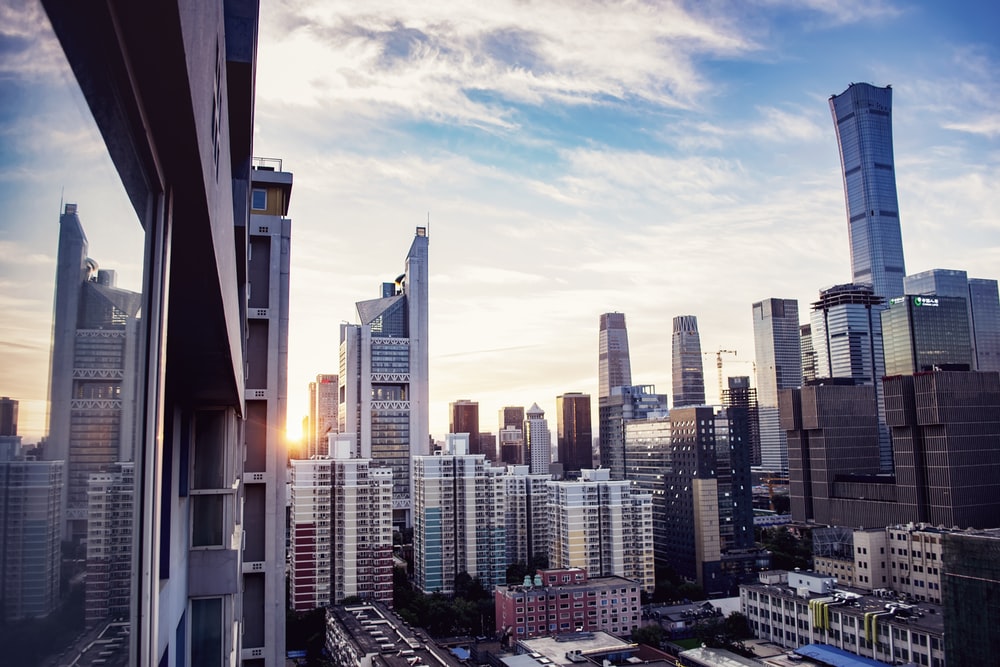
Yarmouk, a Palestinian camp, I find is described in ways that it can be compared to other cities. It has a main street that has become a commercial hub for the people, similar to the main streets of US cities. It was described to be lined with all types of stores from clothing to bakeries and grocery stores, which is something that is common in every city and town in the US. It has three/four story apartment buildings connected by narrow streets, which sounds similar to the lesser used roads of NYC or Philly. The main transportation network are minibuses, which is also similar to the US with our use of public transportation (buses). Yarmouk seems to follow the pattern of anonymity of all major cities; you do not know everyone and can pass through unnoticed. Unlike US cities, Yarmouk is a camp for refugees and has a very bad reputation throughout the neighboring Syrian areas.
Traditional Chinese cities were the basis of markets for agricultural and local families. Current day Chinese cities have advanced architecturally, politically, and socially becoming more commercial and administrative based. I find this description similar to what one finds on Wall Street in NYC or the business sector of Philly. Unlike US cities, Chinese cities have ring roads which encircle the heart of the city and continue outward. The cities hold the powerful and elite whereas the rural residents were looked down upon. I feel as if this is similar to US cities, seeing as living in the city is expensive, especially NYC. Anyone that lives in NYC has money and power in some sort of way.
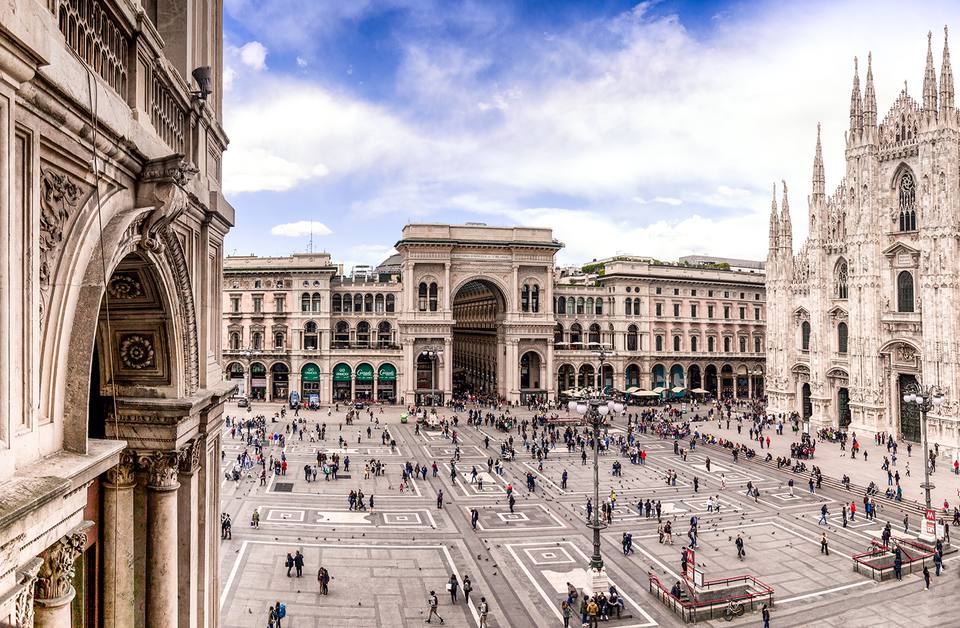
I would rather do fieldwork in a city like Milan. Personally, I have more interest in Italy, knowing that I am of Italian descent. My grandfather, my father’s father, is an avid traveler with European blood. He spends his time in other countries such as Norway, Ecuador, Canada, Spain, etc. The rare occasions that we see him, he reminisces on his days spent in Italy. He cooks Italian food and uses Italian words. He speaks highly of the different cities in the country and the local people he spent his time with.
I think understanding the culture of a bigger city would be more beneficial. I would be able to compare my experiences to those my grandfather has told me about. He would even be able to link me with local informants, making the process of studying the local people a little easier. He would be able to set me up with some of the local people he still stays in contact with.
I think to understand the Italian culture, you have to experience a major city like Milan. You have to immerse yourself in the city from the fashion to the soccer games. I grew up as a dedicated soccer player in a soccer family, so that aspect would not be difficult for me.
I feel as if doing fieldwork in a city like Milan would be more beneficial for myself. Not only in the aspect of keeping me entertained while still experiencing the culture, but also in the aspect of having informants that could lead to other informants.
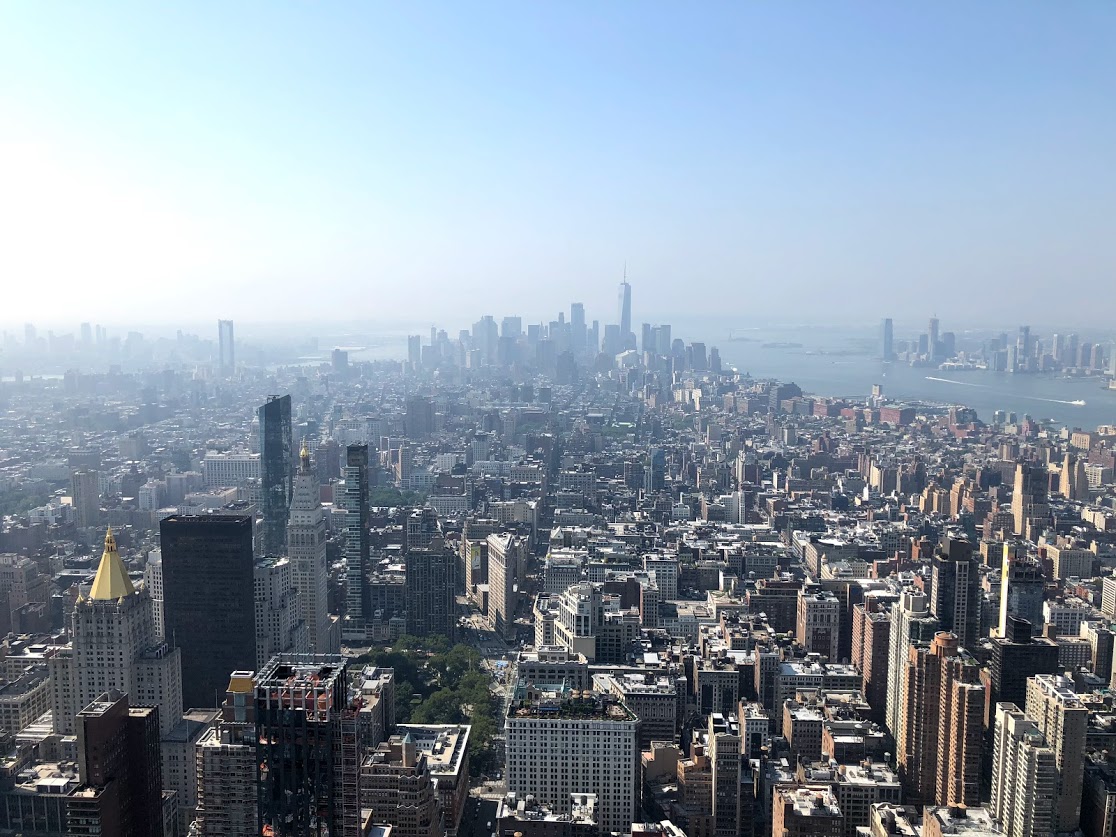
The largest city I have ever visited is New York City. I have visited on several occasions. The first time was a weekend trip with my mother in the summer of 2018. I remember feeling very hot and uncomfortable. I’m used to a lot of space and open air. Even Philadelphia felt more open and relaxed than NYC. I felt rushed around trying to make the subway and trains to get us to our destinations. I felt gross due to the heat, the sweat and the smell of the city.
The second time was in the spring of 2019 for another weekend trip, this time with my family. I felt more relaxed. The weather was cold, and I didn’t feel rushed around. We took our time seeing things in the city. Even though there were still a lot of people around, I didn’t feel as packed in as I did in the summertime.
The third time I went was in the summer of 2019 for a day trip with my cousin, brother and grandmother. My grandmother is older and has a harder time walking, but she has never seen NYC and it was a goal of hers to do so. The trip was planned by my cousin, the first mistake. He didn’t take into account the distance we would have to travel to see everything we wanted to show my grandmother. It was a long day; it was hot and stressful, but overall fun.
Each time I have been in NYC, I always feel rushed and crowded. My comparison is Philly, a city that I often travel to due to the close proximity to my home. Every NYC experience makes me love Philly a little more. NYC is loud, crowded, and sometimes very smelly. I’ve found that Philly is a little more relaxed, spread out, and, in my opinion, more beautiful.

 Bre DiRenzi's Urbanization Blog